Eco-Friendly Charcuterie Boards: Art Meets Sustainability
Creating a charcuterie board is not just about assembling delicious meats and cheeses; it’s an art form that can also embrace sustainability. As more people become conscious of their environmental impact, the demand for eco-friendly options in all aspects of life, including food presentation, is on the rise. This blog post will explore how to craft stunning charcuterie boards that are not only visually appealing but also environmentally responsible.
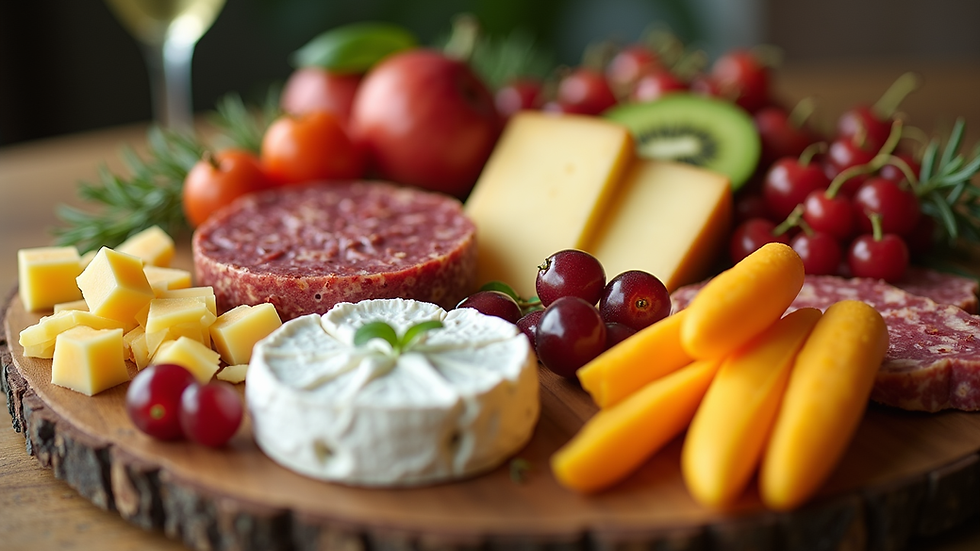
Understanding Eco-Friendly Charcuterie Boards
What is an Eco-Friendly Charcuterie Board?
An eco-friendly charcuterie board prioritizes sustainability in its ingredients and presentation. This means using locally sourced, organic, and seasonal products, as well as sustainable serving ware. The goal is to minimize waste and reduce the carbon footprint associated with food production and transportation.
Why Choose Eco-Friendly Options?
Choosing eco-friendly options for your charcuterie board has several benefits:
Supports Local Farmers: By sourcing ingredients locally, you support your community and reduce the environmental impact associated with long-distance food transportation.
Healthier Choices: Organic ingredients are often free from harmful pesticides and chemicals, making them a healthier choice for you and your guests.
Reduces Waste: Using sustainable materials for serving and packaging helps minimize waste and promotes a circular economy.
Selecting Ingredients for Your Board
Focus on Local and Seasonal Produce
When creating your charcuterie board, start with local and seasonal ingredients. This not only ensures freshness but also supports local farmers. Here are some ideas:
Cheeses: Look for artisanal cheeses from local dairies. Many regions have small-scale producers who offer unique flavors and varieties.
Meats: Choose sustainably sourced meats, such as grass-fed beef or pasture-raised pork. Many local farms offer subscription services for fresh meats.
Fruits and Vegetables: Incorporate seasonal fruits and vegetables. For example, in the summer, you might use fresh berries, while fall could bring apples and pears.
Consider Plant-Based Options
For a truly eco-friendly charcuterie board, consider incorporating plant-based options. These can include:
Vegan Cheeses: Made from nuts, seeds, or soy, vegan cheeses can be just as flavorful as their dairy counterparts.
Hummus and Dips: Offer a variety of dips made from legumes, such as hummus or bean spreads.
Roasted Vegetables: Include a selection of roasted seasonal vegetables for added flavor and nutrition.
Sustainable Serving Ware
Choosing Eco-Friendly Materials
The presentation of your charcuterie board is just as important as the ingredients. Opt for sustainable serving ware to enhance your board's eco-friendly appeal. Here are some options:
Wooden Boards: Choose boards made from sustainably sourced wood. Bamboo is a great option as it grows quickly and is renewable.
Recyclable or Compostable Plates: If you’re serving a larger group, consider using plates made from recycled materials or compostable options.
Reusable Containers: For leftovers, use glass or stainless steel containers instead of plastic.
Avoid Single-Use Plastics
Single-use plastics contribute significantly to environmental pollution. When planning your charcuterie board, avoid plastic wrap and disposable utensils. Instead, use cloth napkins and reusable serving utensils.
Creative Presentation Ideas
Layering and Arrangement
The way you arrange your charcuterie board can elevate its visual appeal. Here are some tips for a stunning presentation:
Create Levels: Use small bowls for dips and spreads to create height on your board. This adds dimension and makes the board more visually interesting.
Color Coordination: Arrange ingredients by color to create a vibrant display. For example, pair bright red strawberries with deep purple grapes.
Textures: Incorporate a variety of textures, such as crunchy nuts, creamy cheeses, and soft fruits, to make the board more inviting.
Themed Boards
Consider creating themed boards based on seasons, holidays, or specific cuisines. For example:
Summer Board: Focus on fresh fruits, light cheeses, and refreshing dips.
Autumn Board: Incorporate seasonal ingredients like pumpkin, apples, and spiced nuts.
Mediterranean Board: Feature olives, hummus, pita, and a variety of cheeses.
Pairing Drinks with Your Charcuterie Board
Wine and Cheese Pairings
Wine is a classic pairing for charcuterie boards. When selecting wines, consider the following:
White Wines: Pair light cheeses with crisp white wines, such as Sauvignon Blanc or Pinot Grigio.
Red Wines: Rich, aged cheeses go well with full-bodied red wines like Cabernet Sauvignon or Merlot.
Sparkling Wines: Bubbles can complement a variety of flavors, making sparkling wines a versatile choice.
Non-Alcoholic Options
For those who prefer non-alcoholic beverages, consider offering:
Sparkling Water: Infuse with fresh fruits or herbs for a refreshing twist.
Herbal Teas: Serve chilled herbal teas that can complement the flavors of your board.
Mocktails: Create fun, non-alcoholic cocktails using fresh juices and herbs.
Hosting an Eco-Friendly Gathering
Planning Your Event
When hosting an eco-friendly gathering, consider the following steps:
Invitations: Use digital invitations to reduce paper waste.
Menu Planning: Focus on seasonal and local ingredients for all dishes, not just the charcuterie board.
Waste Management: Provide clearly labeled bins for recycling and composting to encourage guests to dispose of waste responsibly.
Engaging Your Guests
Make your gathering interactive by involving your guests in the charcuterie board creation. Set up a DIY station where they can assemble their own mini boards using the ingredients you’ve provided. This not only makes for a fun activity but also allows guests to customize their experience.
Conclusion
Crafting an eco-friendly charcuterie board is a delightful way to combine art and sustainability. By choosing local, seasonal ingredients and sustainable serving ware, you can create a beautiful and responsible presentation that impresses your guests. Remember, the key to a successful charcuterie board lies in creativity, variety, and a commitment to sustainability. So, gather your ingredients, get creative, and enjoy the process of making a charcuterie board that reflects your values and taste.
By embracing eco-friendly practices, you not only enhance your culinary experience but also contribute to a healthier planet. Start planning your next gathering with these tips in mind, and let your charcuterie board be a centerpiece of sustainability and deliciousness.


Comments